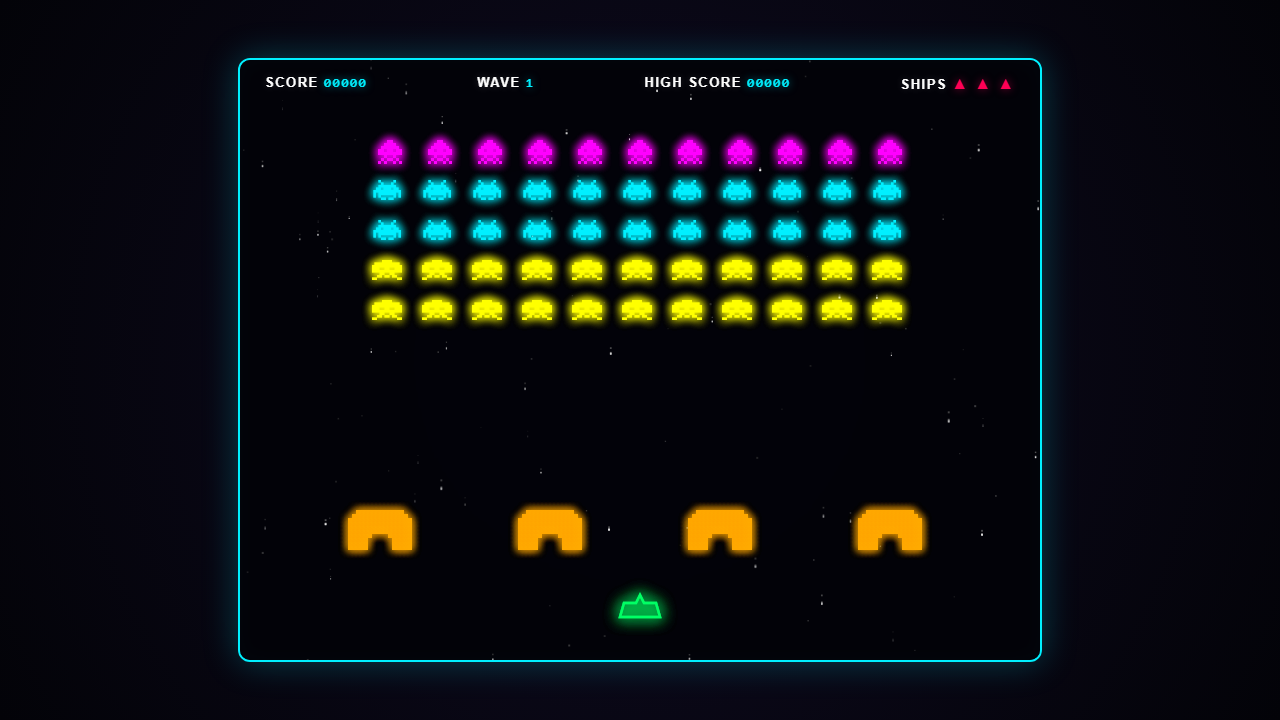
Primitive / Flash
Atmospheric primitive
Gemini Flash
Recognizable primitive with strong sound and presentation; retained a projectile-freeze bug.
Controlled autopsies of AI game-building systems.
Fifteen playable artifacts separate what appeared under a sparse prompt, what passed an explicit mechanical contract, what survived a UX graft, and what one operator could actually feel in play.
Breakout couples a passive brick field to collision, score, win, and replay. Space Invaders adds an active formation: enemies move together, fire back, interact with shields, accelerate as their count falls, and continue changing state while win and loss conditions remain live. The user journey also adds waves, rising pressure, and more control-state transitions.
This rung therefore keeps three verdict layers separate. A primitive artifact shows the prompt floor. A named driver judges an explicit mechanical contract. Human-terminal review judges the player path and the felt magnitude that those gates do not measure.
Four routes received the same sparse request for one self-contained browser game. Flash, Pro, and the GPT-5.5/Codex proxy produced recognizable formation-based games. The primitive Haiku artifact drifted to a generic hostile spawner and exposed a premature `Level Complete` race. The GPT cell was a coding-agent proxy, not a sterile raw-API baseline.
The same sparse prompt across four model routes, before an explicit mechanics contract.
Primitive / Flash
Gemini Flash
Recognizable primitive with strong sound and presentation; retained a projectile-freeze bug.
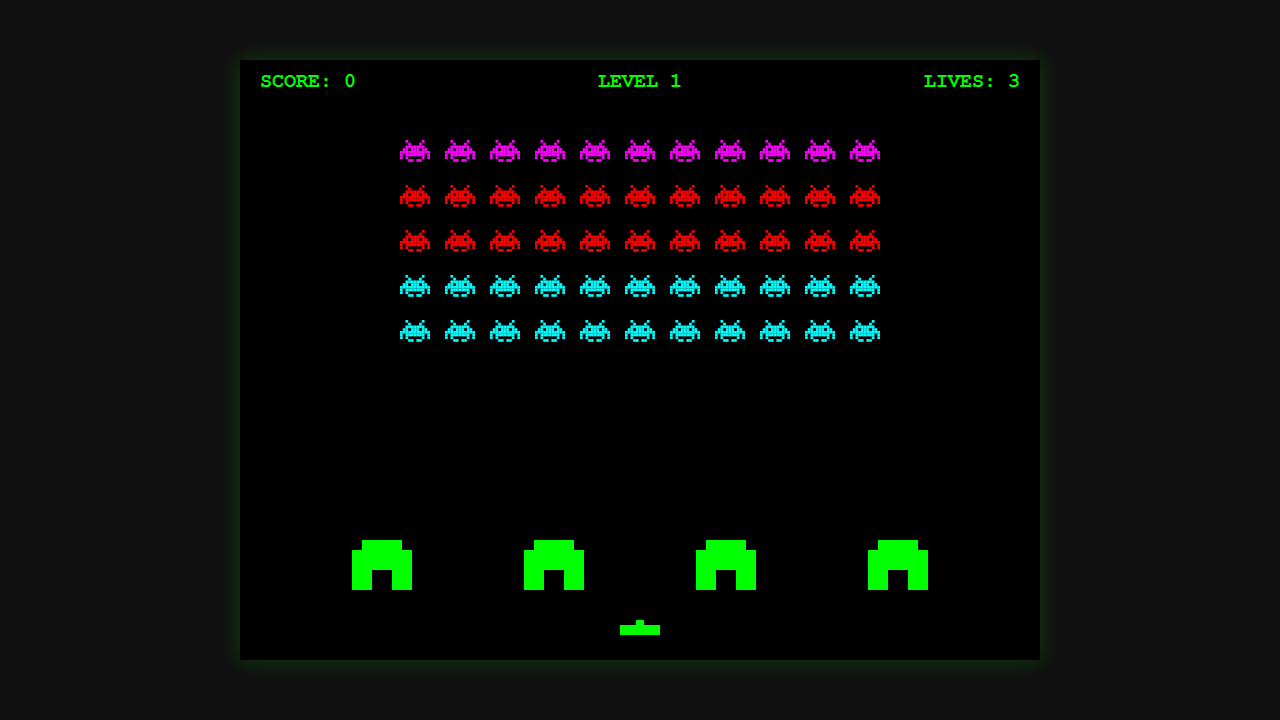
Primitive / Pro
Gemini Pro
A recognizable Space Invaders interpretation generated from the sparse prompt.
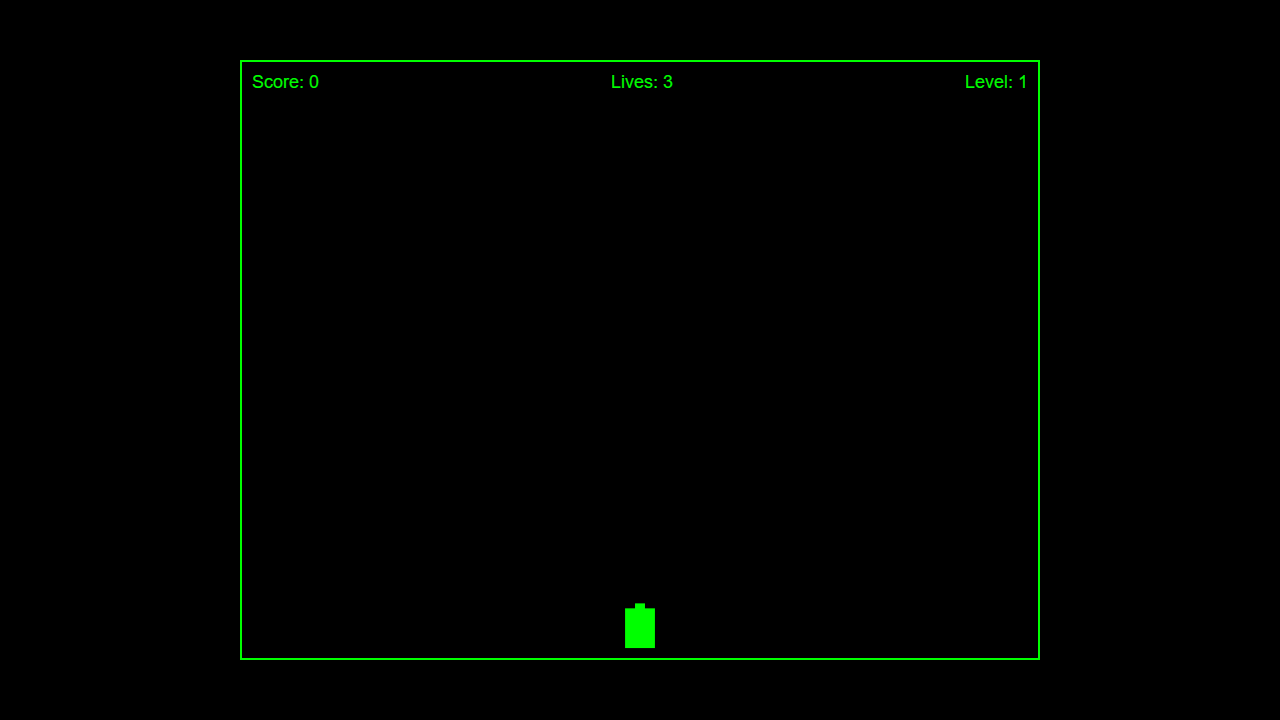
Primitive / Haiku
Claude Haiku
Drifted into a generic hostile spawner and exposed a premature Level Complete race.
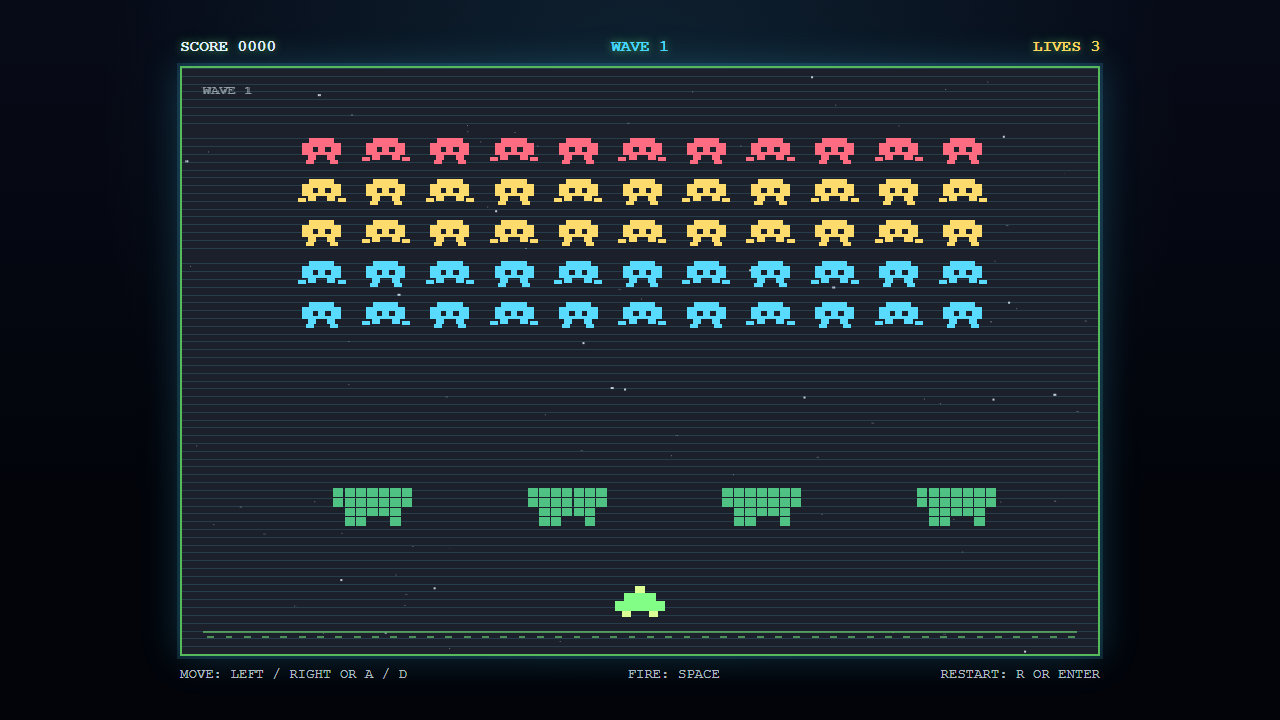
Primitive / GPT
GPT-5.5 Codex proxy
Readable primitive flow without the Flash projectile-freeze bug, but with no sound.
The next matrix used an explicit 5x11 formation, synchronized movement, hostile fire, destructible shields, deterministic stepping, terminal-state rules, and a named `window.gameTestAPI`. Flash, Pro, Haiku, and GPT-5.5/Codex engineered cells all passed `space_invaders_driver.mjs` under that contract.
The primitive Haiku miss did not recur in the new artifact after prompt, API-contract, driver, and execution conditions changed. This run did not isolate any one of those changes as the cause, and it does not establish a fundamental model bound.
Four builds generated under the explicit state and test-API contract.
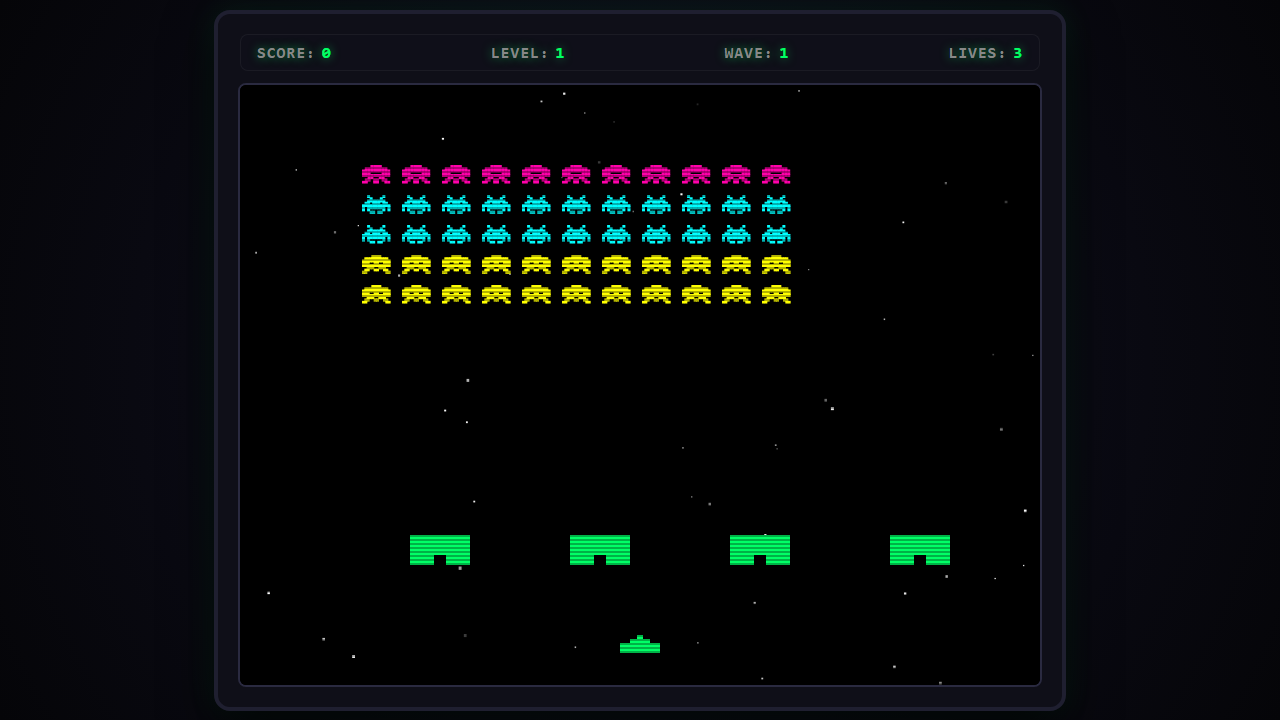
Engineered / Flash
Gemini Flash
Mechanical driver PASS under the explicit state and test-API contract.
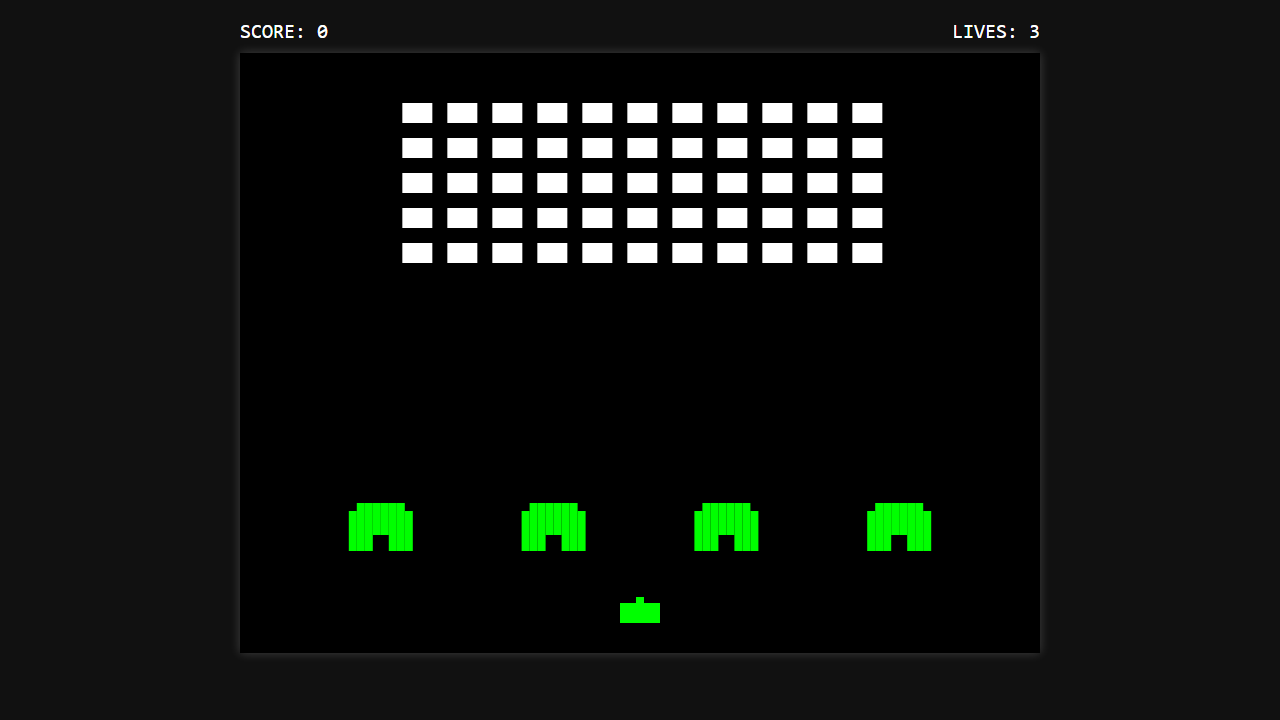
Engineered / Pro
Gemini Pro
Mechanical driver PASS under the explicit state and test-API contract.
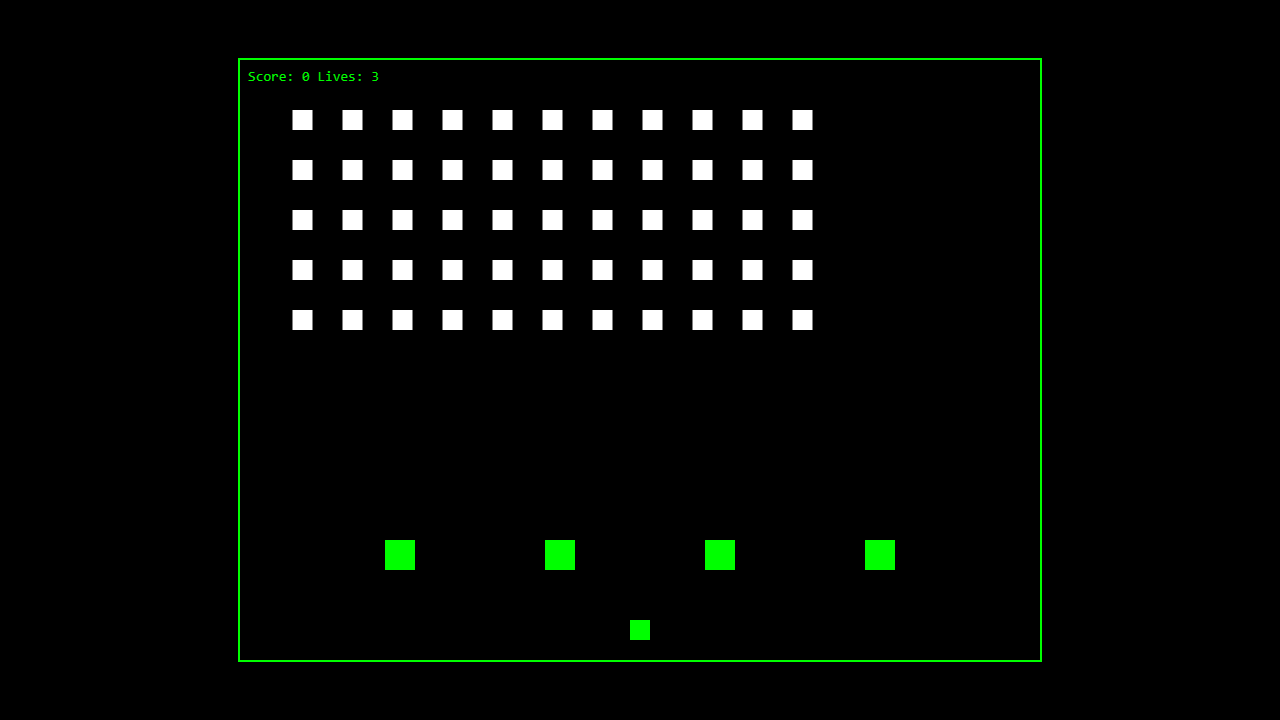
Engineered / Haiku
Claude Haiku
Mechanical driver PASS; Space starts and toggles pause in human play.
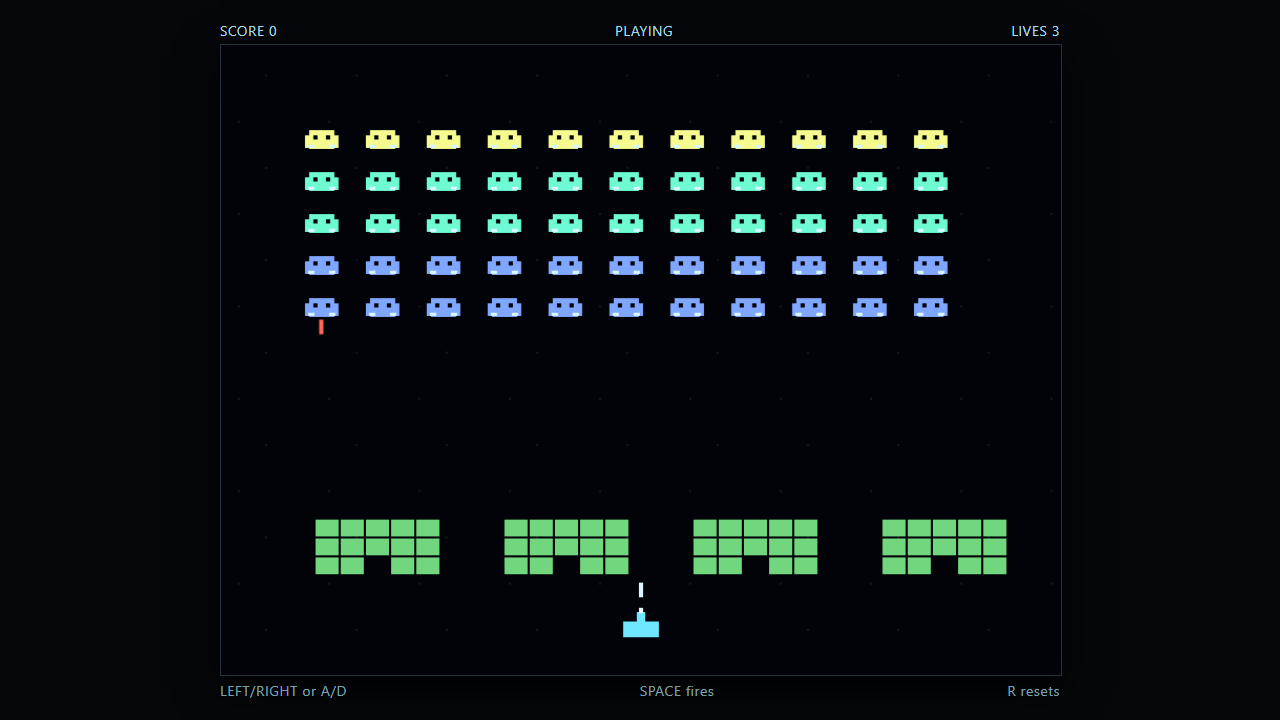
Engineered / GPT-5.5
GPT-5.5 Codex proxy
Mechanical driver PASS under the explicit state and test-API contract.
The 03.2B slice stopped treating one artifact as a complete answer. The GPT-5.5/Codex primitive became the cleaner seed candidate. The Flash primitive supplied the audio and presentation reference, while its projectile-collision freeze bug made it unsafe as the seed. Both generated grafts passed the named objective gates and reached a practically acceptable result in one operator review.
GPT primitive: cleaner flow, no Flash projectile-freeze bug, but silent.
Flash primitive: audio and presentation reference, not the accepted base.
Pro graft: selected by one operator only within the 03.2B slice.
Within 03.2B, one operator selected the Pro graft as the practical follow-on base for stronger sound and gameplay tension. That is a bounded artifact decision, not a global model ranking.
Two objective-green grafts in the bounded 03.2B seed-first slice.
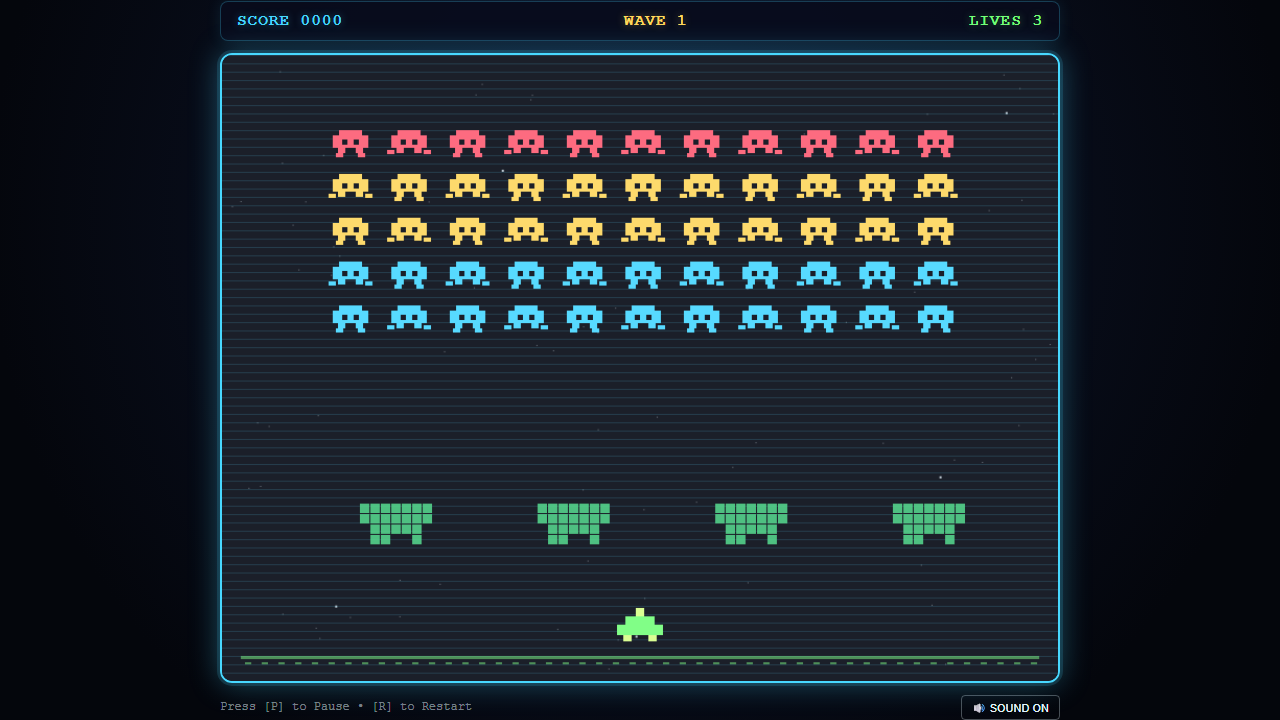
UX graft / Flash
Gemini Flash graft executor
Objective-green and practically acceptable within the 03.2B graft slice.
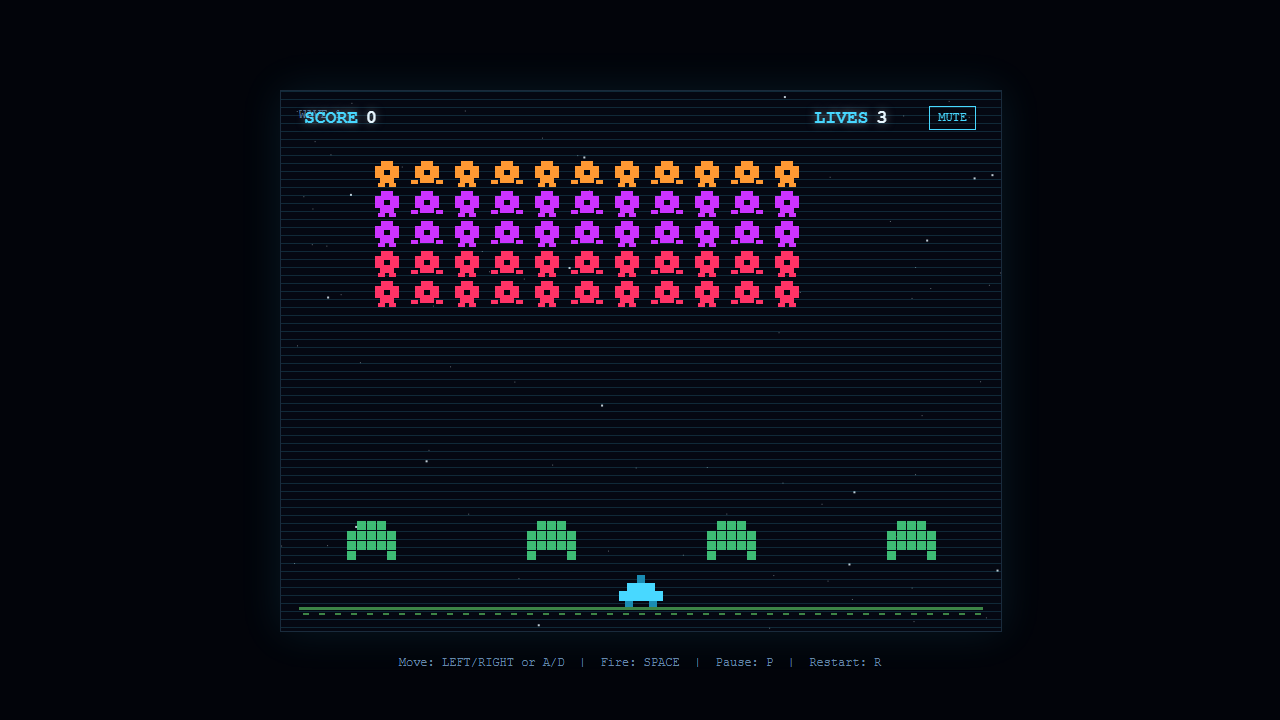
UX graft / Pro
Gemini Pro graft executor; accepted 03.2B base
Accepted follow-on base within the 03.2B graft slice.
The final group keeps the weak cells beside the stronger ones. A Codex `game-design-ideator` selected Command Cells, and Gemini Flash implemented the graft. Command Cells passed tier1, `space_invaders_driver.mjs`, and UX smoke, but one operator found the source-real mechanic too subtle in play.
The next search used a 30-second magnitude bar: a mechanic had to change positioning, survival geometry, projectile rules, shield use, formation topology, scoring pressure, or timing quickly enough to be felt. Falling Wreckage introduced debris that could block shots, damage shields, and threaten the player. In one operator review, its two Codex-local implementations were stronger than Command Cells and closer to the prior magnitude bar. They were implemented by a Codex-local operator and a Codex subagent, not by Flash or Gemini.
Direct overlays, Command Cells, and two higher-bar Falling Wreckage implementations.
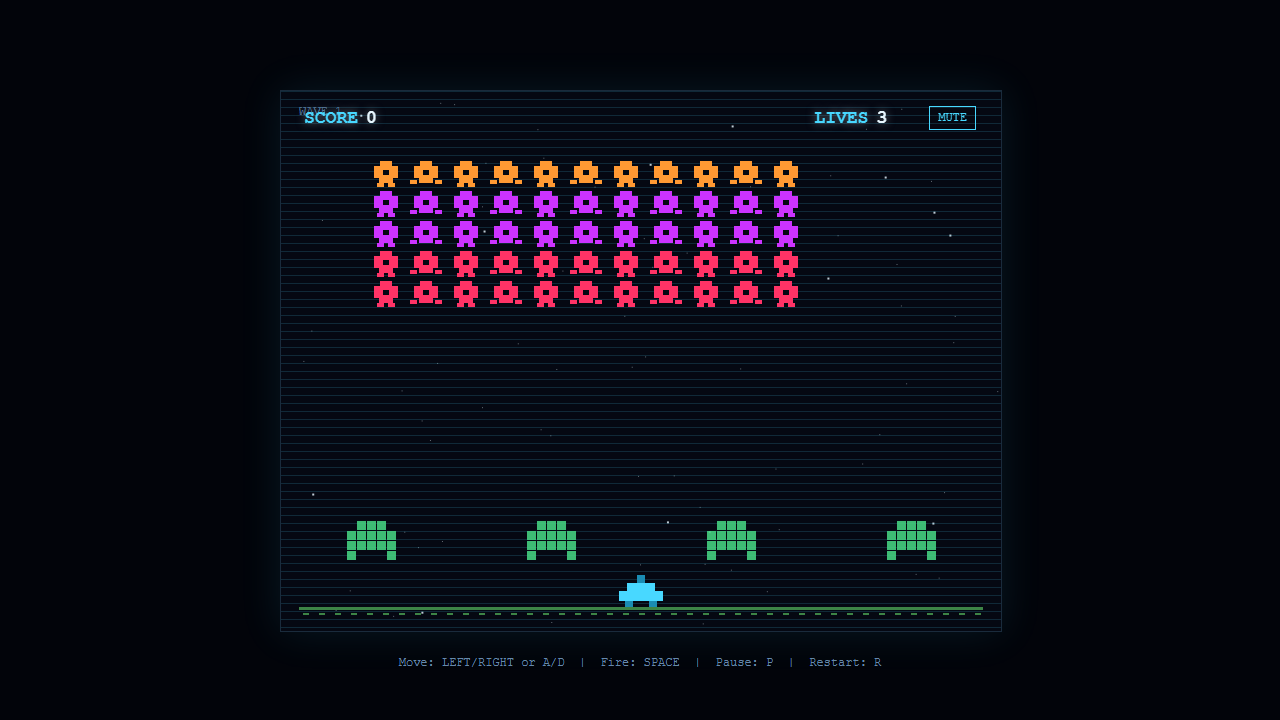
Direct overlay / Design
Gemini Flash
A direct overlay aimed at increasing game-design tension.
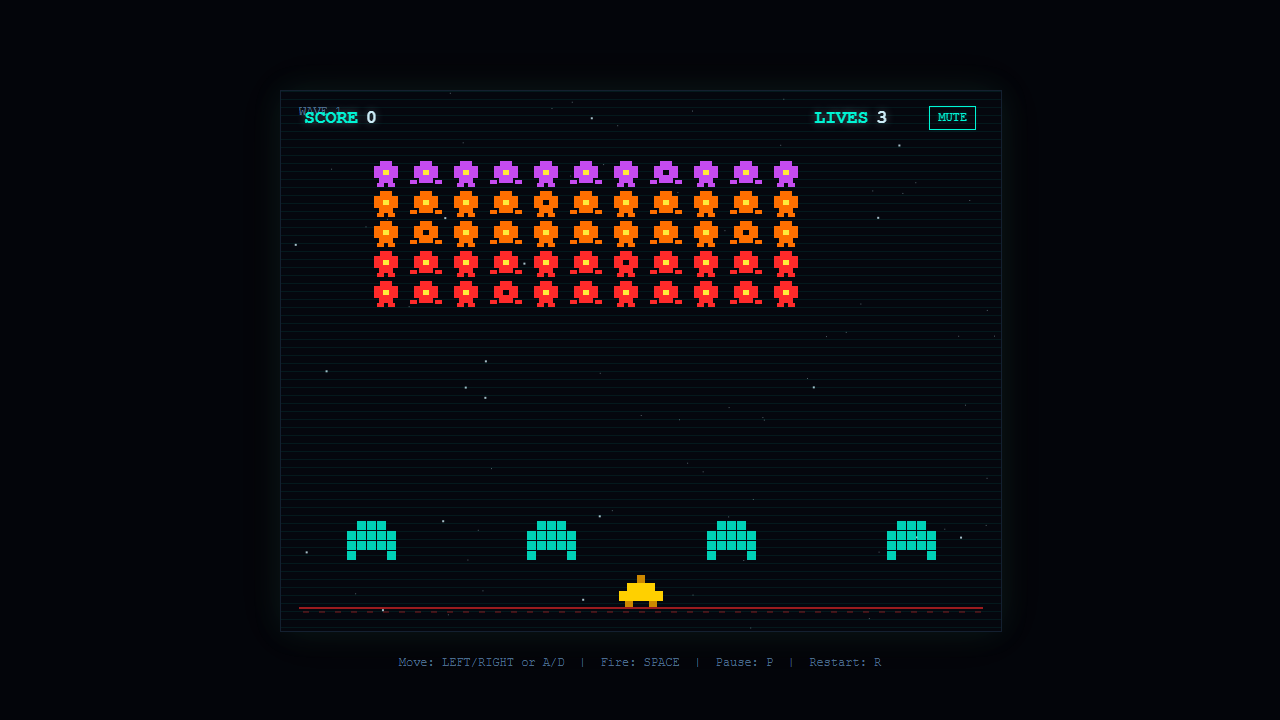
Direct overlay / Atmosphere
Gemini Flash
A direct overlay aimed at stronger atmosphere and presentation.
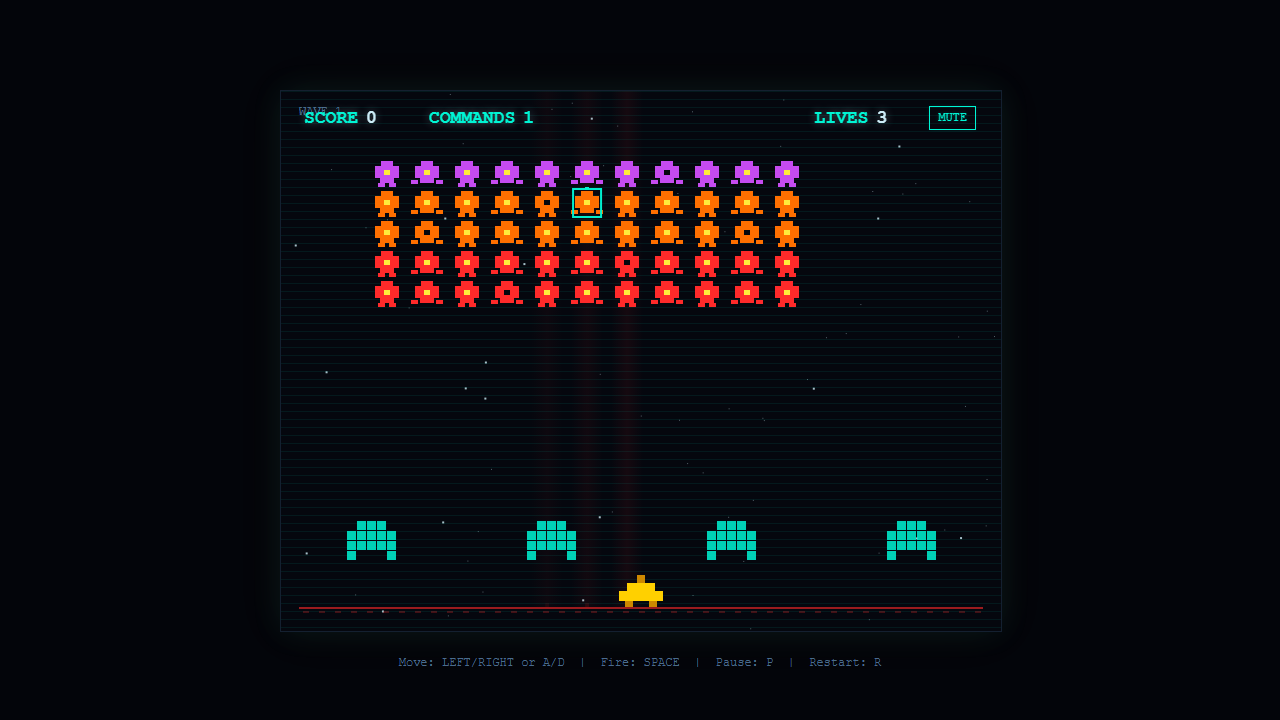
Separated ideation / Command Cells
Codex ideator concept; Gemini Flash implementation
Source-real and objective-green; one operator review found it too subtle.
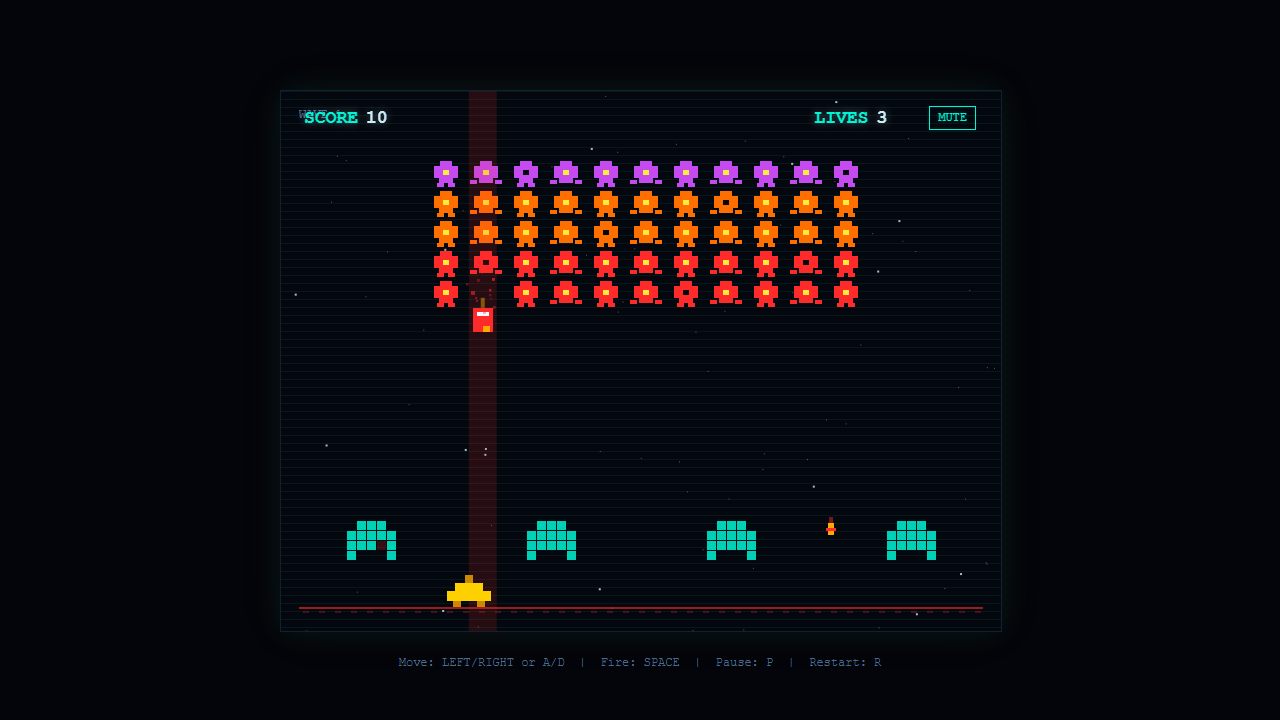
Higher-bar ideation / Operator
Codex-local operator; filename is not executor evidence
Codex-local operator execution; falling debris changed survival geometry in one operator review.
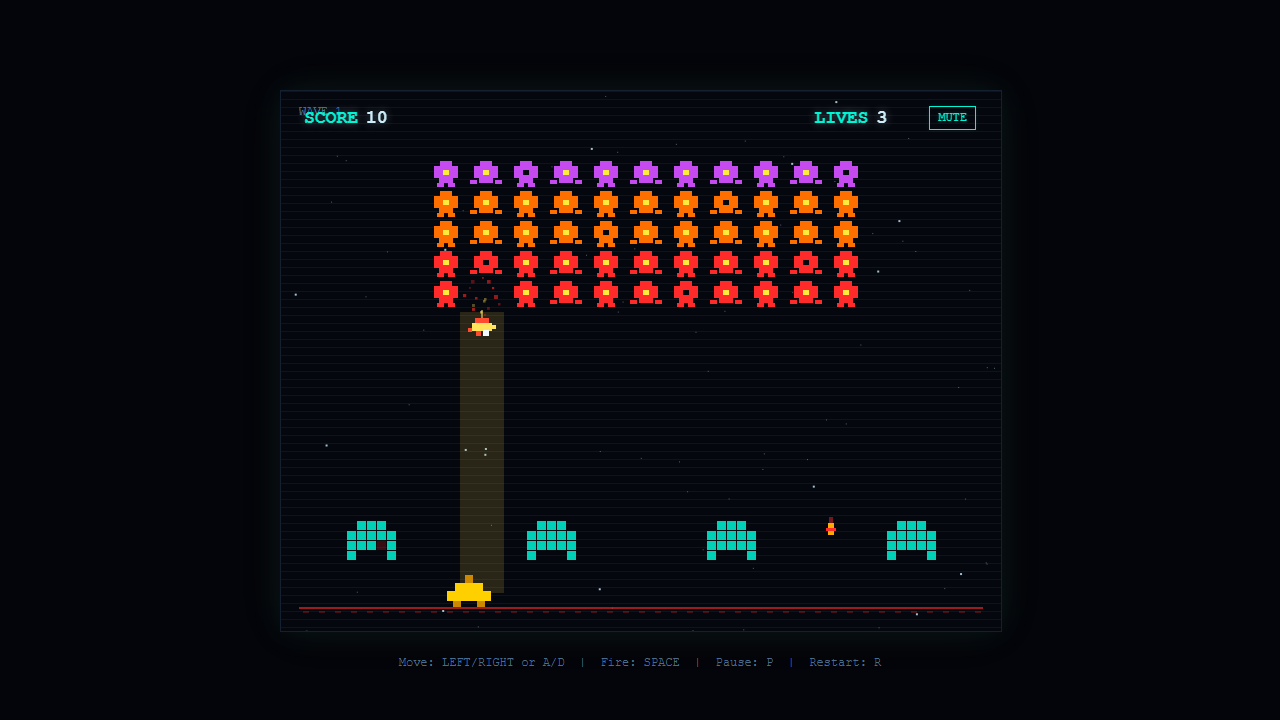
Higher-bar ideation / Subagent
Codex subagent
Codex subagent execution of the Falling Wreckage mechanic with play-visible debris.
The final mechanical driver passed all four engineered cells, both UX graft cells, Command Cells, and the two Falling Wreckage cells at the gates named for their runs. Those verdicts cover exposed state, deterministic stepping, formation movement, shots, shield damage, speed-up, win, loss, reset, and runtime health. They do not certify the complete game.
The Pro graft also falsified an early version of the judge: its shield-damage probe produced a false negative because one idealized lane was too brittle. The driver needed a TDD-covered multi-lane `selectShieldShotPair()` probe before the cell passed.
One operator's human-terminal review produced decisions outside the driver. The engineered Haiku cell was a practical FAIL because Space started the game and also toggled pause. Both UX grafts were acceptable, with the Pro graft selected only as the 03.2B follow-on base. Command Cells were source-real but play-weak. Falling Wreckage was judged stronger than Command Cells, with the local operator version slightly preferred over the Codex subagent version.
These are bounded judgments from one operator, not player research or population-level preferences.
The active-opposition driver remained useful, but its shield-probe false negative showed that geometry-sensitive tests need multiple fair lanes. The current gates can establish whether threat plumbing changes named state. They do not judge pressure, fairness, atmosphere, mechanic magnitude, or replay desire.
No Space Invaders result enters the model-bound column. The sparse-prompt miss did not recur under changed prompt/API/driver conditions, while the human-facing findings were judged under different contracts and by one operator.
Previous rung: Breakout, where the contract verified a passive target field but did not certify the player journey.
The four stage groups above contain all fifteen published evidence cells. Failed and play-weak artifacts remain visible because their negative verdicts are part of the experiment.