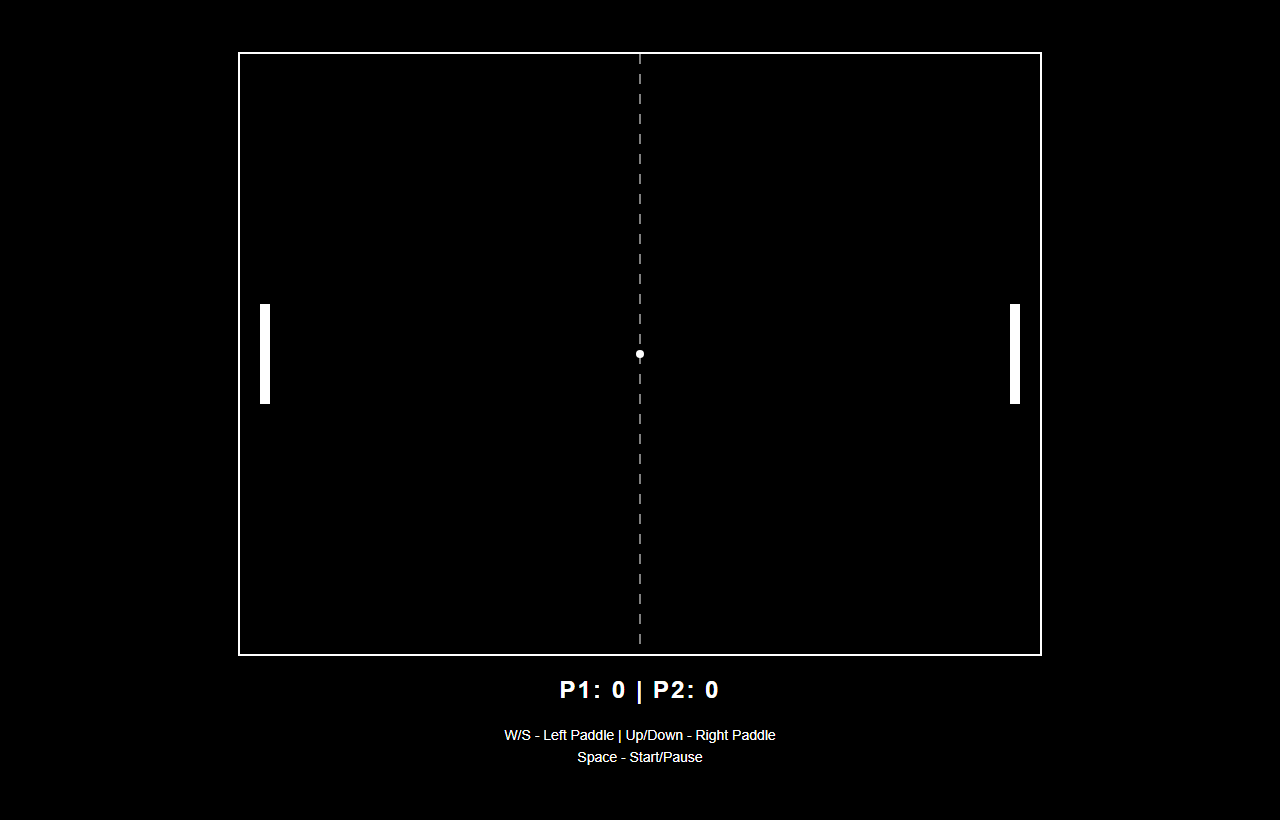
1972
The museum piece
Claude Haiku
Two paddles, two human players, minimal classic Pong.
Controlled autopsies of AI game-building systems.
An AI Pong generation test across Claude Haiku, Gemini Pro, and Gemini Flash: what one vague sentence produces, and what an explicit test contract changes.
Pong is the floor of the Game Anatomy ladder: two paddles, a bouncing ball, a score, and almost no room for the task itself to hide behind complexity.
In this experiment, Pong is not treated as a nostalgia object. It is the null control. If an AI system fails here, the failure belongs to the prompt, the process, the verification harness, or the manager.
Next rung: Breakout, where one ball has to stay coherent with a persistent field of bricks.
Same one-line spec, three different AI systems, three different interpretations.
1972
Claude Haiku
Two paddles, two human players, minimal classic Pong.
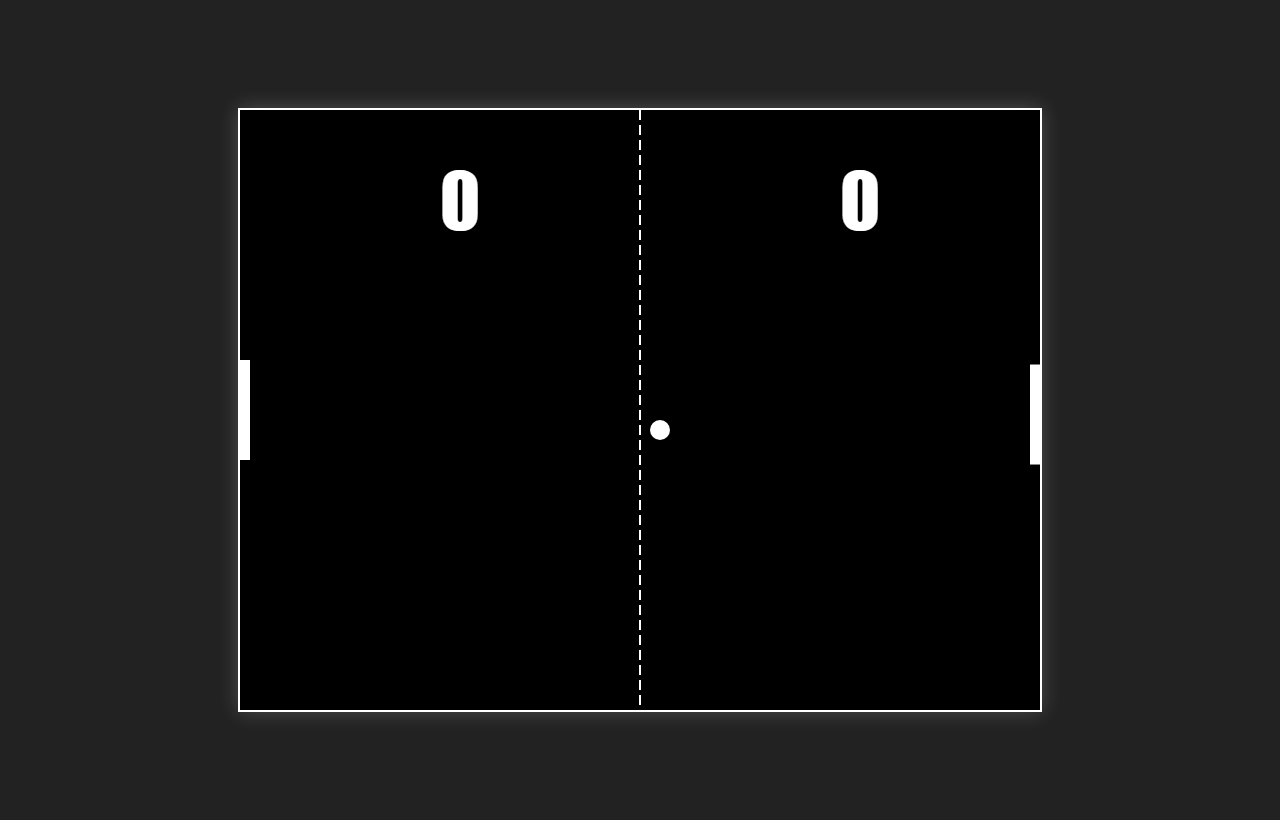
The Textbook
Gemini Pro 3.1
Mouse control, computer opponent, clean web-tutorial style.
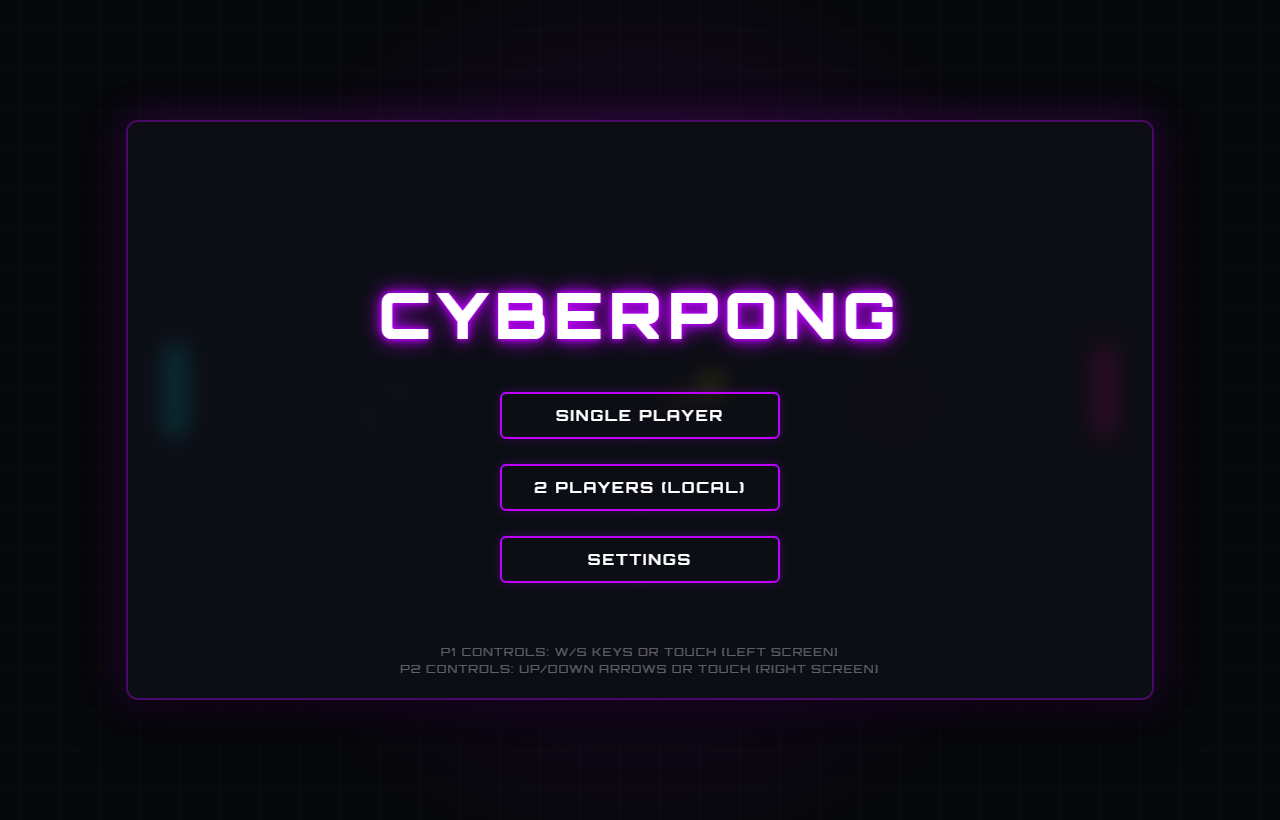
The Casino
Gemini Flash 3.5
Power-ups, particles, synthesized sound, and extra spectacle.
The fun arc produced a fourth build: CyberPong with the wall graft, the focused change accepted in Fun Is Not a Spec.